

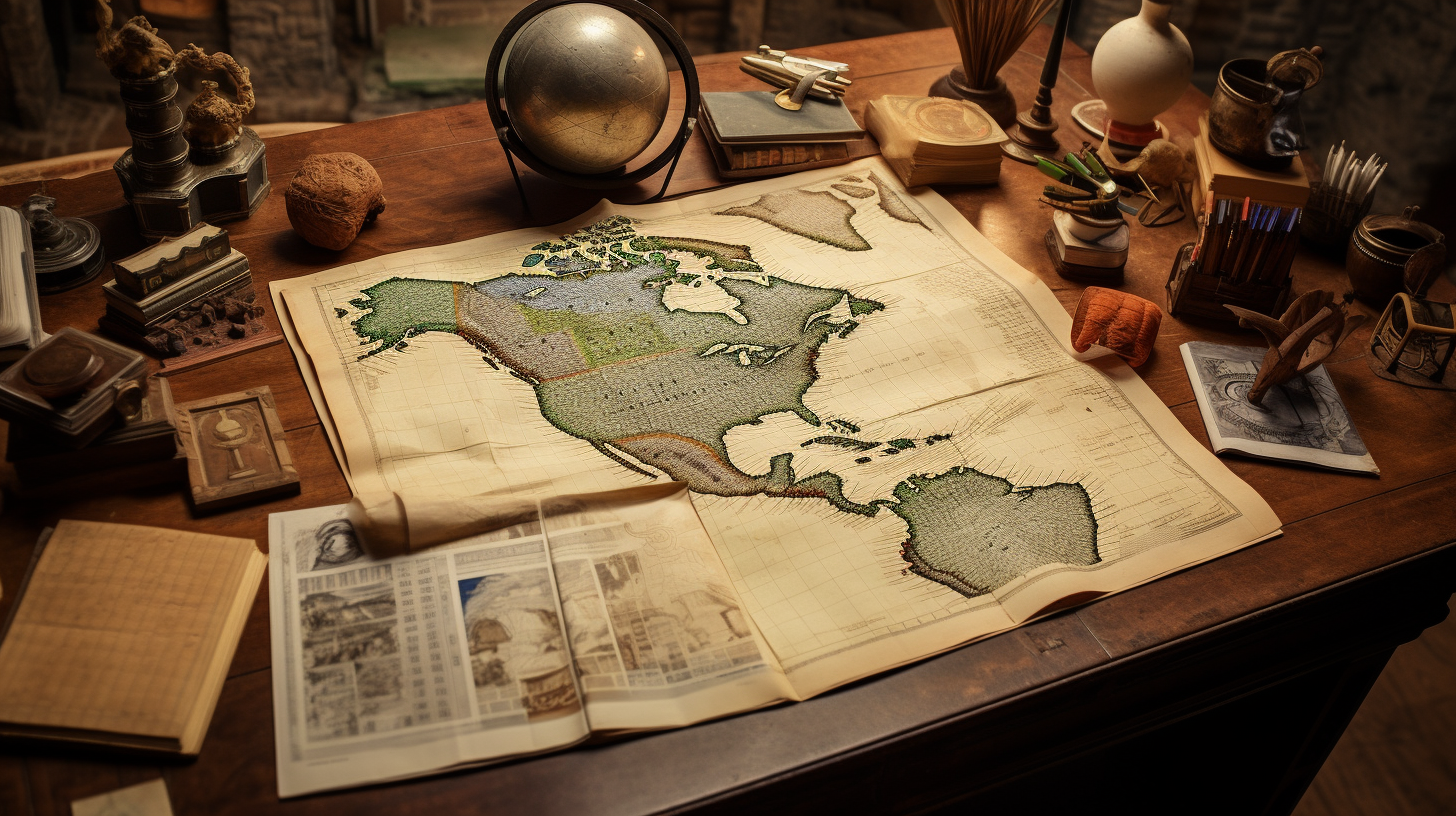
Articles
Mexican States
Southwest United States
Heritage and Governance
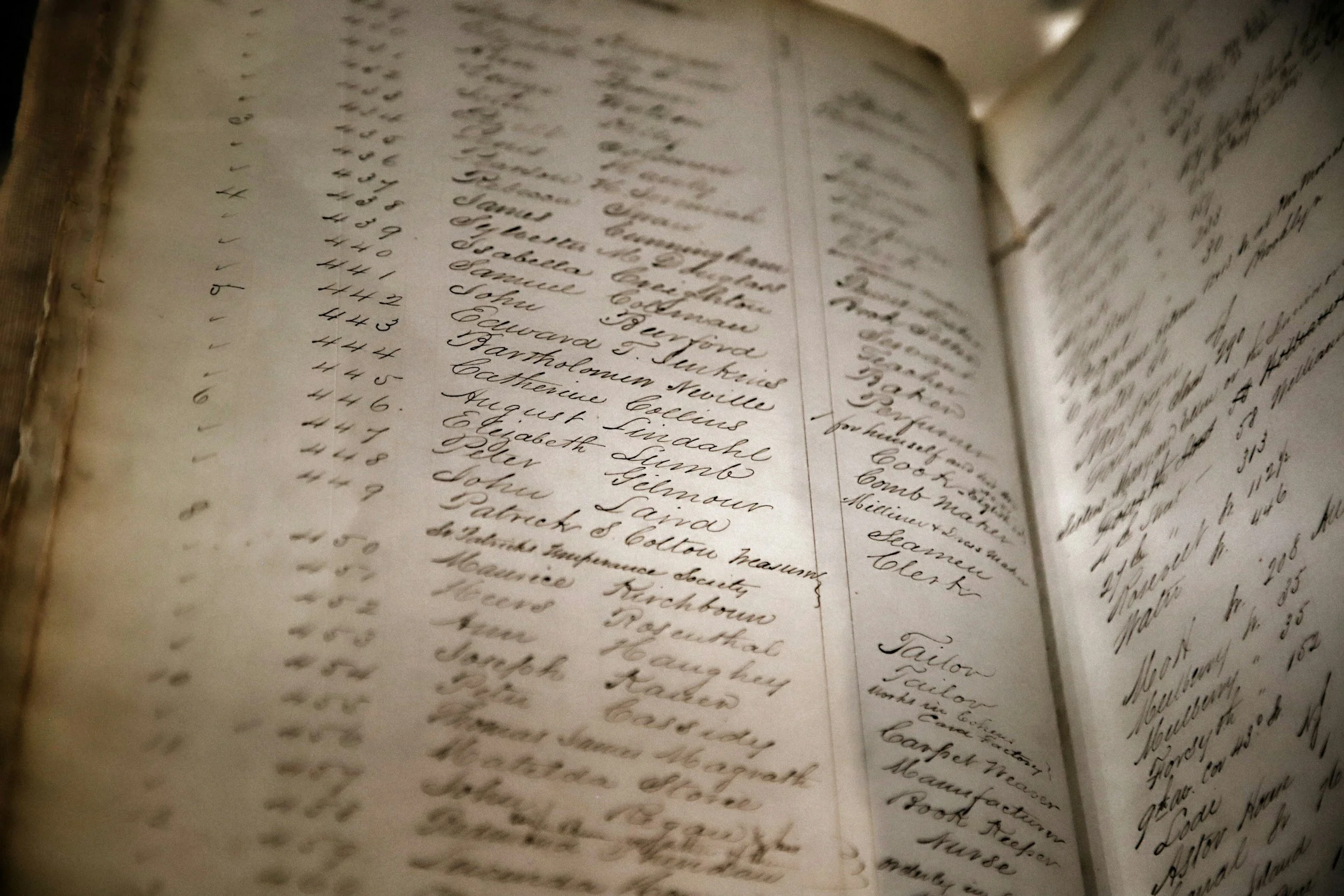
Finding Your Ancestors Through the Census: From Spanish California to the U.S. Federal Census
This presentation by John P. Schmal explains how census records can help researchers trace California ancestors from the U.S. Federal Census back to Spanish and Mexican California records. It covers research strategies, census limitations, the 1852 California Census, early Los Angeles and Santa Barbara padrones, Monterey censuses, and California Indian Census Rolls from 1928–1933.
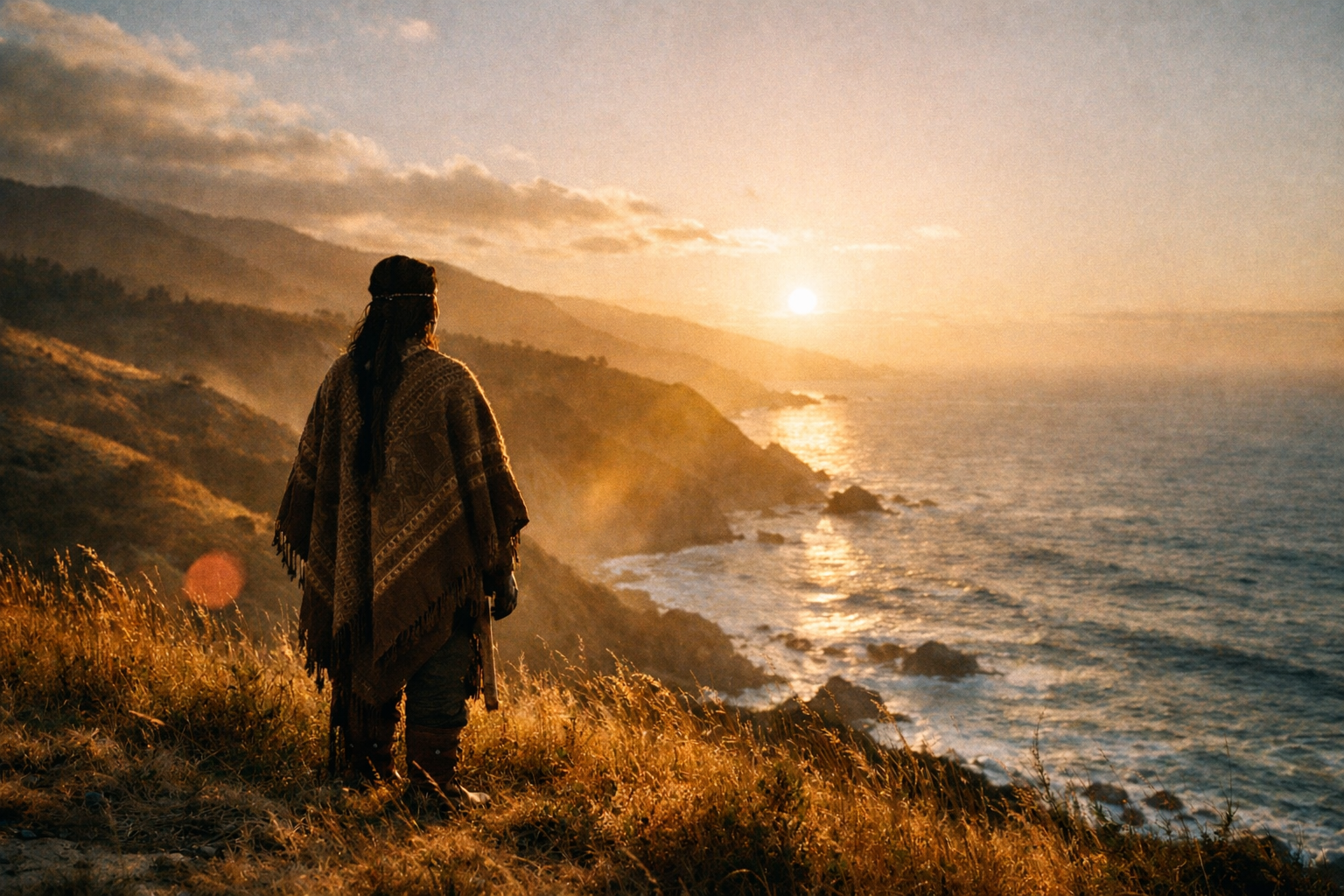
The Chumash: The Difficult Road to Federal Recognition
This presentation will discuss the history and language of the Chumash, as well as some of their neighbors. In addition to discussing their past, the presentation will explore the activities of the current Chumash groups and their neighbors. Currently there are at least 14 identified groups/bands of Chumash representing about 10,000 people with some Chumash ancestry. They all seek federal recognition from the Bureau of Indian Affairs but are also seeking alternative forms of recognition and economic development. Many of them focus on ancestral ties, historical connections to the Chumash, as well as community involvement and recognition.
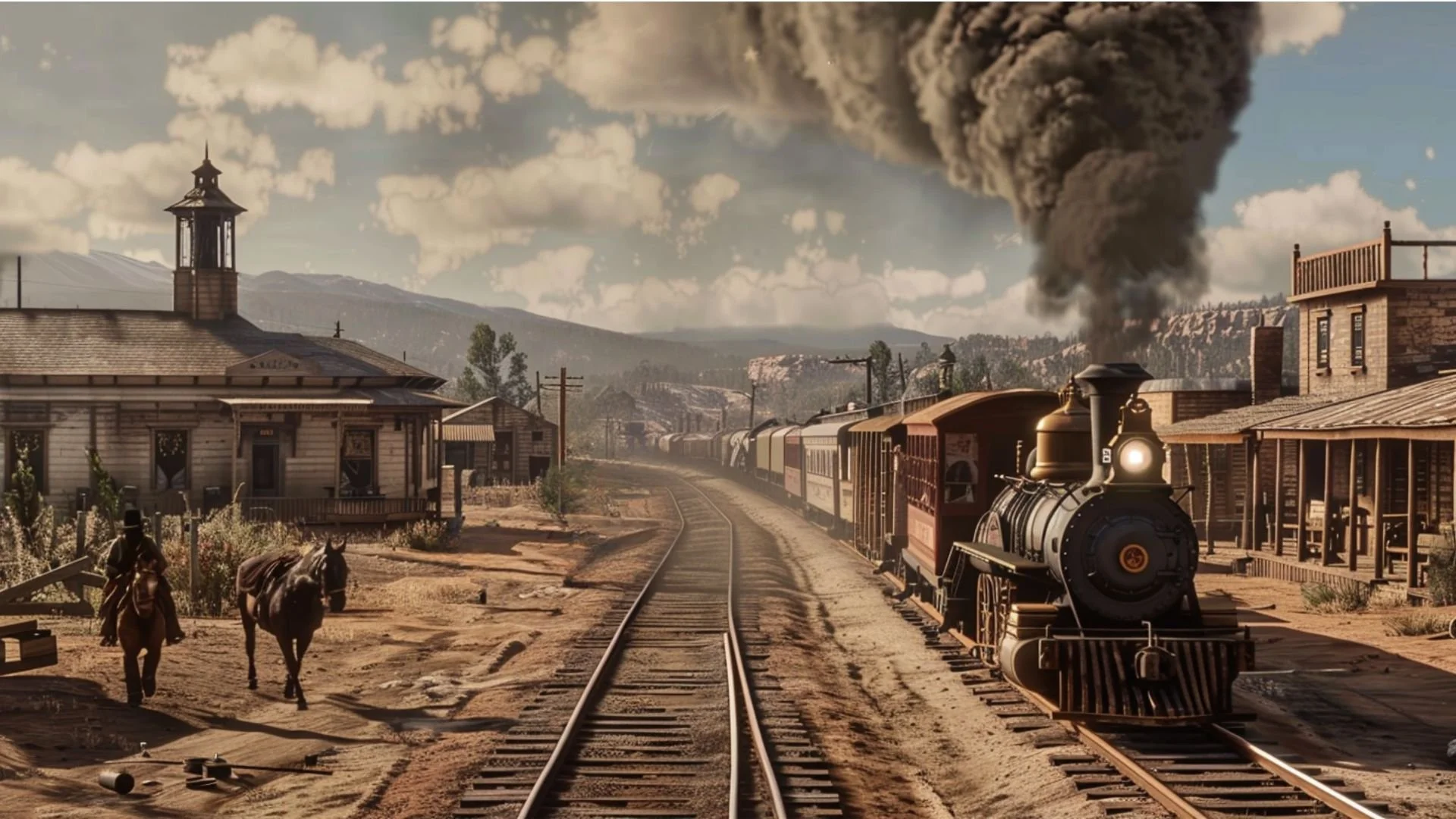
Northwest Mexican Railroading
Jonathan explores the development of railroads across northwestern Mexico, focusing on Baja California, Sonora, Sinaloa, and Chihuahua. He examines the expansion of rail networks during the Porfiriato (1876–1911), the role of foreign investment and U.S. railroads, and the economic and cultural impact of rail transportation on mining, agriculture, and migration. The presentation also highlights key lines such as the Ferrocarril de Sonora, Central Mexicano, and Chihuahua al Pacífico, along with important historical events including the Cananea strike and the story of Jesús García, the Hero of Nacozari.
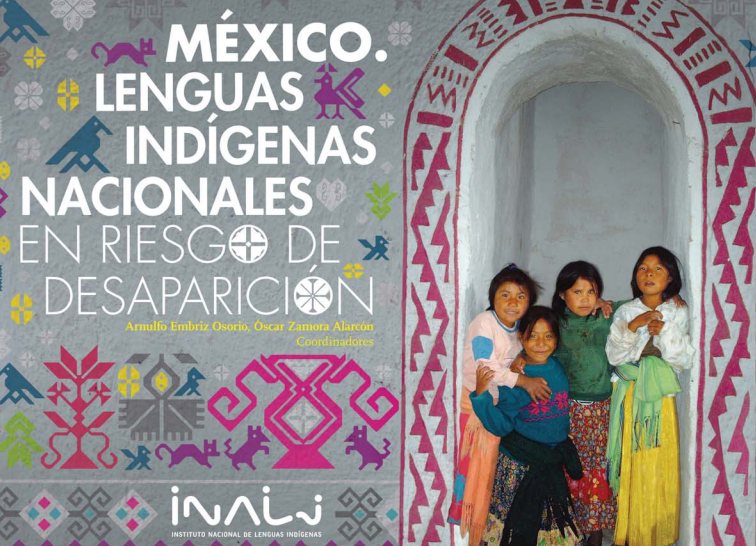
Mexico’s Endangered Languages: An Update
Mexico is considered a multicultural country with enormous linguistic diversity. However, many of its Indigenous languages are on the verge of disappearing and some of them may disappear completely in the near future. See why these languages are disappearing and what is being done to preserve them.

Searching for Your Indigenous California Ancestors
There are many methods of exploring your Indigenous California Roots. These include the California Mission Indians Records (Baptisms, Marriages & Burials) and the Huntington Library’s California Early Population Project. But the National Archives (NARA) can also be very helpful. It is also important for people to know that Ancestry.com has a database for all the Indian Censuses between 1885 and 1940. Finding that your ancestors were listed in this census could help you locate more information.
The Otomanguean Language Group of Mexico: Its Origins, Evolution, and Its Present Status
The Otomanguean Language Family is the most diverse language group of the ten language families of Mexico, consisting of 18 ethnic groups and 220 linguistic variants (i.e., dialects). In addition to discussing the present-day status of these languages, John P. Schmal will discuss the factors that influenced language diversification and development which led to the creation of so many Otomanguean languages.
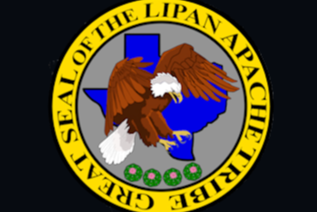
The Lipan Apaches of Texas
The Story of the Lipan Apache of Texas is told on their website, one page of which has been reproduced here.
https://www.lipanapache.org/LAT/aboutus.html
Between the years of 1000 and 1400, a large group of Apache people moved south from Canada. Some of this group settled in Arizona, New Mexico, Utah, and Mexico. These groups which separated became the Navajo Nation, Lipan Apache, Chiricahua Apache, Mescalero Apache, Jicarilla Apache, the Plains Apache, and other Apache tribes.

Linking the past to the future: How a GIST alum uses 21st century technology to support his passion for Indigenous cultures
Not everyone is lucky enough to snag a job that falls in line with their personal interests. However, when USC alum Jonathan Rodriguez entered the workforce in 2019, he realized he could combine his deep love for Indigenous cultures with his Master’s in Geographic Information Science and Technology (GIST).
Rodriguez’s time at USC Dornsife’s Spatial Sciences Institute not only helped him pursue his passion, it also prepared him for the future.

The Indigenous People of California: Past and Present
Explore the untold story of California’s Indigenous peoples - from ancient languages and tribal lands to colonization, resistance, and survival. This detailed report follows their journey across centuries of upheaval and resilience.

Indigenous Conflicts Along the Rio Grande
For the better part of a century, both sides of the Rio Grande feared Indigenous raids that led to increased tensions and retaliatory raids. Many treaties and alliances were made and broken.
Boundaries between countries were not only in flux, but almost totally ignored by some of the more aggressive Indigenous groups [the Comanches and Apaches]. However, after several decades, the Indigenous threat to Texas from sanctuaries in Mexico would end with six cross-border campaigns against the Kickapoo and Lipan Apache in 1873 and 1876-1878.

Early Orange County History
Before the land was parceled into cities, ranchos, and suburbs, what we now call Orange County, California was home to Indigenous nations whose presence stretched back thousands of years. The Tongva (often called Gabrieleño), the Juaneño (Acjachemen), and the Luiseño each held territory here. We trace the region’s transformation from Indigenous homelands to Spanish mission territory and, later, to Mexican ranchos. We examine the impact of colonization, beginning with the 1769 expeditions and the establishment of the mission system.
Indigenous Jalisco in the Sixteenth Century: A Region in Transition
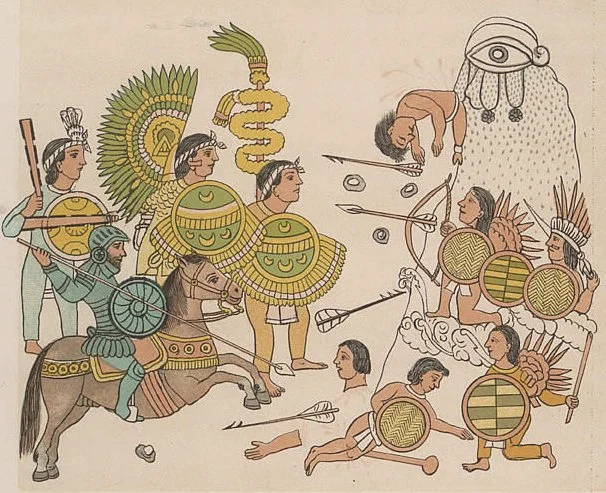
The State of Jalisco is the ancestral home of many Mexican Americans. However, very few people much about the history of Jalisco’s Indigenous people. Five centuries ago, the State of Jalisco had a very dynamic and diverse Indigenous population, but that changed with the conquests of Nuño de Guzmán. In this article, we explore the native groups that inhabited every corner of Jalisco in the Sixteenth Century. Today, they live on through you, their descendants.

Who Were the Chichimecas? Exploring Their Legacy
The nature of the so-called Chichimecas has varied in time and place. Originally the Spaniards and their Indigenous allies referred to the semi-nomadic people who inhabited the frontier area of Nueva Galicia as Chichimecas. They waged a 40-year-war against them. But two hundred years later, the Spaniards also used the term for the nomadic Coahuiltecan tribes of the northeast.

Mexica or Aztec: How the Mexicas Were Renamed
Nearly 700 years ago a group of people founded a city known as Tenochtitlán. These people would set forth great conquests and dominate much of central and southern Mexico. Tenochtitlán would grow to become an engineering marvel, a metropolis of between 200,000-300,000 inhabitants by the 16th century. But what do we call these people? Aztec or Mexica?

The Tlapaneco (Méphaa) of Guerrero: Eternal Defiance
At its height in 1519, the Aztec Empire was a multi-ethnic, multi-lingual realm stretching more than 80,000 square miles and ruling over 15 million people. But, for all its strength and breadth, the Aztec Empire failed to conquer several regions that represented “independent enclaves” within their vast dominion. One of those enclaves contained the people then known as the Tlapaneco (now known as Méphaa). Their enclave was known as Yopitzinco.

Álvar Núñez Cabeza de Vaca: From Conquistador to Indigenous Advocate
The saga of Álvar Núñez Cabeza de Vaca, as recorded in his own narratives, serves as one of the most fascinating chronicles of European exploration in North America and offers one of the earliest and most detailed European perspectives on indigenous life and landscapes in the 16th century.

Acolhua Alliance: Partners of the Aztec Empire
Mesoamerica was filled with hundreds of cultures, all interacting with each other sometimes as foes fighting for power or as allies joining a common goal or beneficial arrangement. In the case of the Aztecs, their biggest ally was the Acolhuas of Texcoco.

Smallpox Comes to the Americas (1507-1524)
For at least 15,000 years, the people of the Americas – for the most part – had been isolated from the entire Old World (which included Europe, Asia and Africa). This meant that many diseases which had regularly plagued the Old World were never experienced by the Native American populations.

The Yaqui Arizona Diaspora
Many Yaquis came to Arizona either alone, in small family groups, or as unrelated groups who shared a common heritage. The Yaquis followed the Southern Pacific Railroad tracks establishing the first Yaqui communities in the Tucson area. Many continued to journey north, following the railroad tracks and establishing communities in Marana, Eloy, Sacaton, Phoenix, Yuma.

The Origin of Náhuatl and the Uto-Aztecan Family
Náhuatl is one of the most spoken indigenous languages in the Americas with over 1.7 million speakers and is part of the Uto-Aztecan (UA) family language. A language family that historically spanned from the US state of Idaho down to Northern Costa Rica. This family contains a variety of different languages that all came from a common ancestor thousands of years ago. Over the years various migrations occurred and groups eventually diverged from each other and started to become their own independent culture and language.
Article Categories
- Aguascalientes 14
- Arizona 4
- Baja California 8
- Baja California Sur 2
- California 24
- Campeche 4
- Census 35
- Chiapas 3
- Chihuahua 10
- Coahuila 6
- Colima 1
- Conquistador Chronicles 2
- Durango 2
- Ethnic Identity 47
- Genealogy 41
- Guanajuato 8
- Guerrero 9
- Hidalgo 2
- Indigenous Insights 104
- Jalisco 25
- Mexico City 10
- Michoacan 7
- Morelos 4
- Nayarit 3
- New Mexico 4
- Nuevo Leon 7
- Oaxaca 7
- Politics 10
- Puebla 5
- Queretaro 1
- Quintana Roo 4
- San Luis Potosi 11
- Sinaloa 8
- Sonora 17
- Southwest US 28
- State of Mexico 5
- Tabasco 3
- Tamaulipas 10
- Texas 8
- Tlaxcala 6
- Veracruz 6
- Yucatan 6
- Zacatecas 14