

Articles
Mexican States
Southwest United States
Heritage and Governance
The Legacy of the Kumeyaay: Their Road from Despair to Success
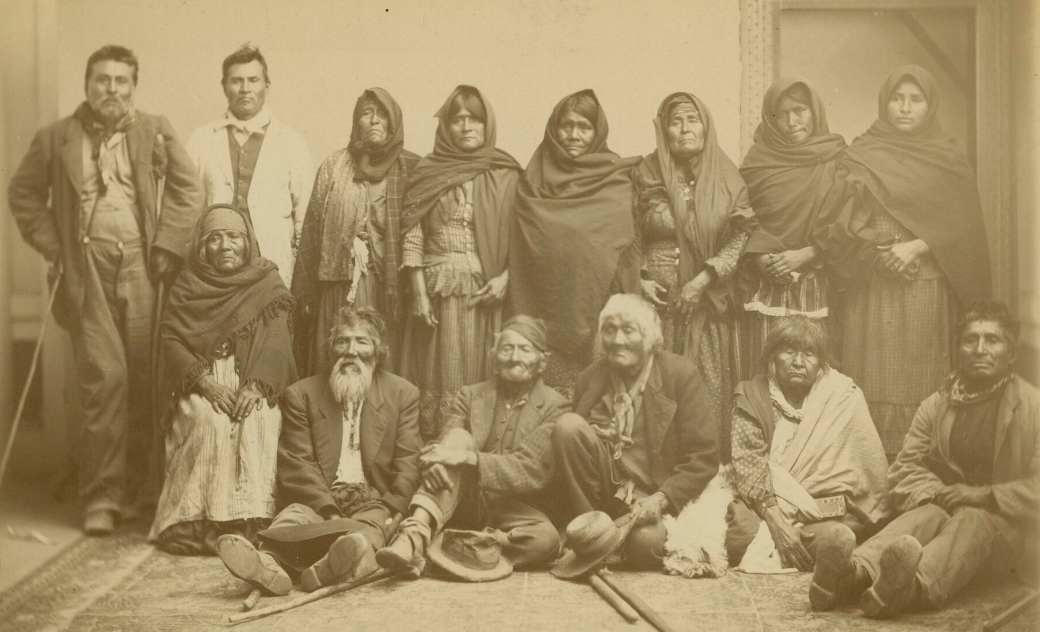
The Kumeyaay are believed to have occupied the San Diego Coastal Area for as many as 12,000 years. But when the Spaniards, Mexicans, and Americans came, they reduced the Indigenous occupants of this area to the status of landless peons. Over time, the Kumeyaay developed survival strategies in order to survive the occupation of others. Many would say they have not only survived, but thrived, thanks to the gaming operations, their stamina, and their perseverance.
Finding Your Ancestors Through the Census: From Spanish California to the U.S. Federal Census
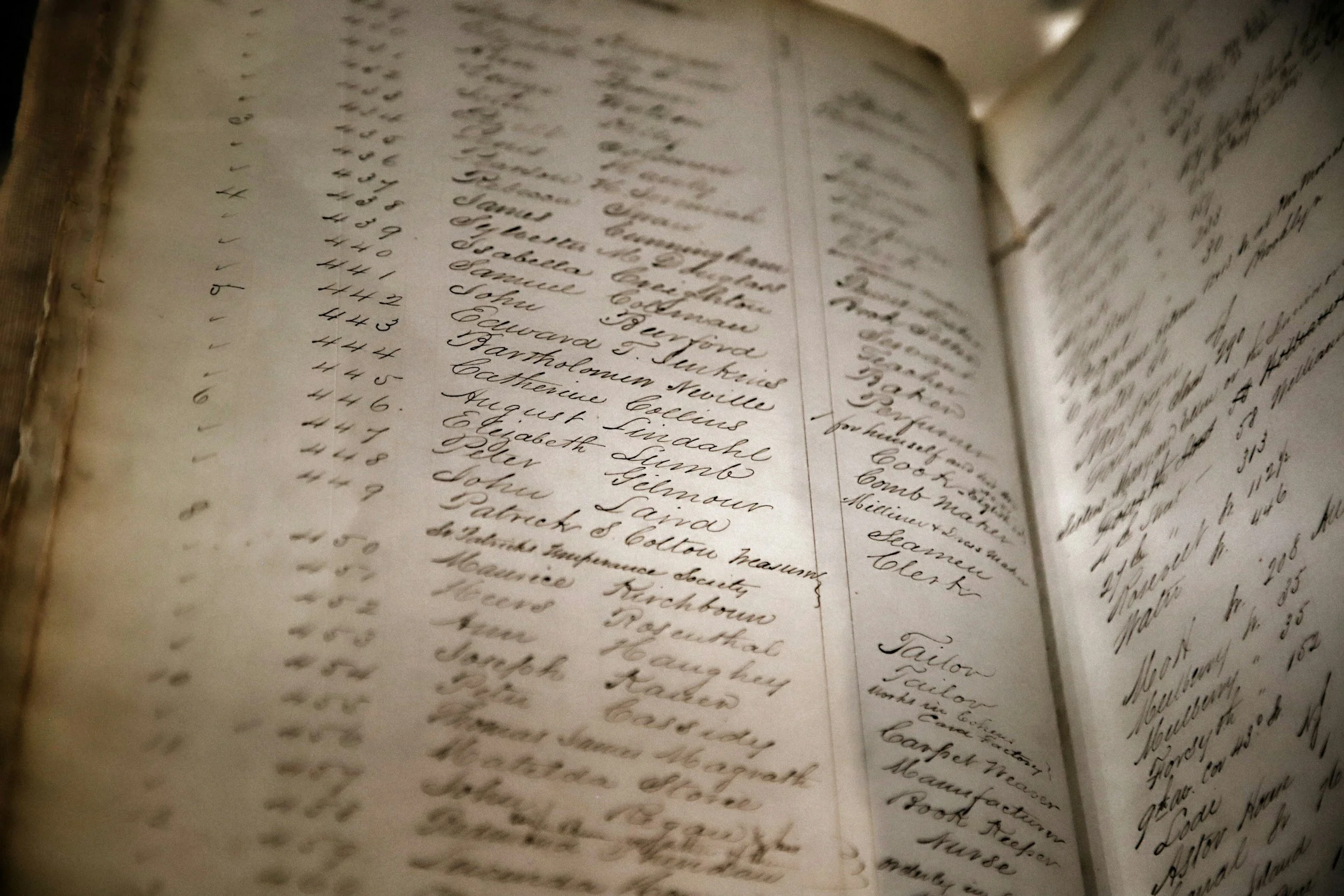
This presentation by John P. Schmal explains how census records can help researchers trace California ancestors from the U.S. Federal Census back to Spanish and Mexican California records. It covers research strategies, census limitations, the 1852 California Census, early Los Angeles and Santa Barbara padrones, Monterey censuses, and California Indian Census Rolls from 1928–1933.
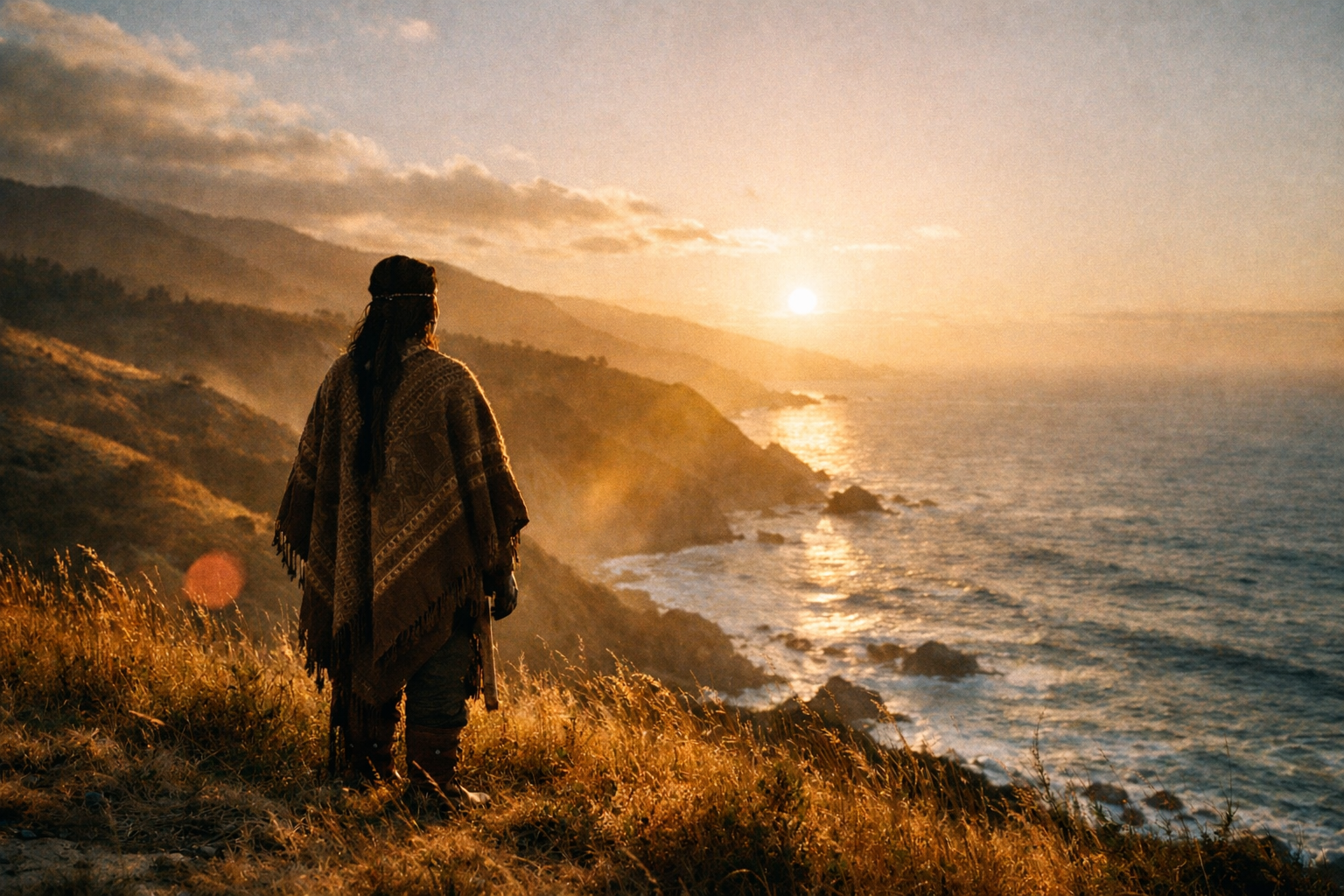
The Chumash: The Difficult Road to Federal Recognition
This presentation will discuss the history and language of the Chumash, as well as some of their neighbors. In addition to discussing their past, the presentation will explore the activities of the current Chumash groups and their neighbors. Currently there are at least 14 identified groups/bands of Chumash representing about 10,000 people with some Chumash ancestry. They all seek federal recognition from the Bureau of Indian Affairs but are also seeking alternative forms of recognition and economic development. Many of them focus on ancestral ties, historical connections to the Chumash, as well as community involvement and recognition.
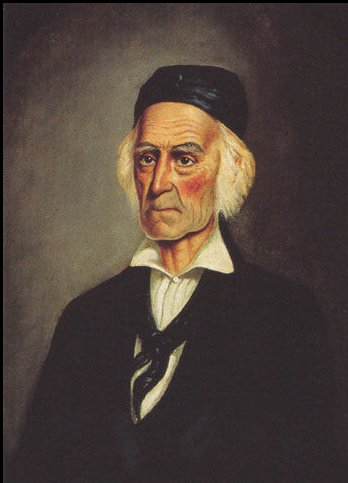
The Family of Antonio Maria Lugo
Nicci Lugo (1957-2026) was one of many descendants of Antonio Maria Lugo (1778-1860), a former soldier and prominent rancher who owned extensive land grants from the Spanish and Mexican governments. This article discusses the beginning of the Lugo presence in California in 1774 and tracks one branch of his family to the present day. Without a doubt, the Lugo family is probably the most famous family of Old California. This article is dedicated to my late friend, Nicci Lugo.

Searching for Your Indigenous California Ancestors
There are many methods of exploring your Indigenous California Roots. These include the California Mission Indians Records (Baptisms, Marriages & Burials) and the Huntington Library’s California Early Population Project. But the National Archives (NARA) can also be very helpful. It is also important for people to know that Ancestry.com has a database for all the Indian Censuses between 1885 and 1940. Finding that your ancestors were listed in this census could help you locate more information.
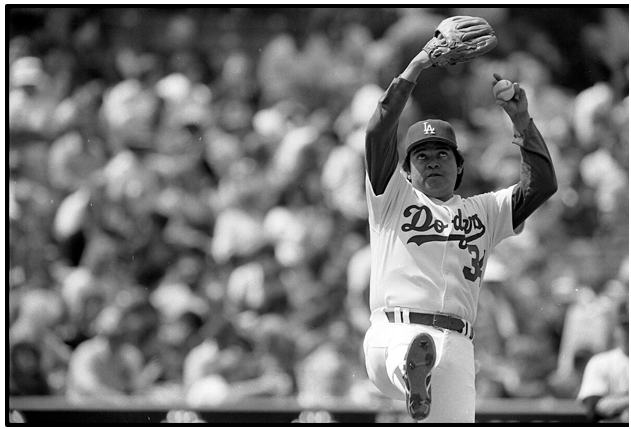
How Fernando Valenzuela Was Destined to Be a Hall of Famer!
If there was ever an ironic baseball player that took over the sport, Fernando Valenzuela is one of those players. Veteran Baseball Fans recall an unknown player from Mexico taking over Major league Baseball by storm, becoming a household name during the 1981 MLB season. His performance dazzled fans as he started the season with a shutout opening day at Dodger stadium. He would go on to having one of the greatest rookie seasons ever, creating buzz throughout the league that would be known as Fernandomania.

The Indigenous People of California: Past and Present
Explore the untold story of California’s Indigenous peoples - from ancient languages and tribal lands to colonization, resistance, and survival. This detailed report follows their journey across centuries of upheaval and resilience.

The Santa Ynez Mission Indians: Their Struggle for Land
This article explores the origins, languages, and history of the Chumash people, with special attention to the Santa Ynez Mission. We take you through the Mission years, the Secularization, and the subsequent dispute in which the Catholic Church saw the natives as squatters who needed to be evicted from church land [i.e., the Church Lawsuit from 1897 to 1906]. Today, the Santa Ynez Band of Chumash Indians is a federally recognized Native American tribe that has witnessed great success in recent decades, a remarkable transition from the 1890s and Early Twentieth Century.

Early Orange County History
Before the land was parceled into cities, ranchos, and suburbs, what we now call Orange County, California was home to Indigenous nations whose presence stretched back thousands of years. The Tongva (often called Gabrieleño), the Juaneño (Acjachemen), and the Luiseño each held territory here. We trace the region’s transformation from Indigenous homelands to Spanish mission territory and, later, to Mexican ranchos. We examine the impact of colonization, beginning with the 1769 expeditions and the establishment of the mission system.

Nine Generations of Californians: Serving Under Three Flags
Juan Matias Olivas came as a soldier to California in the Expedition of 1781. Juan’s generation was the first of nine generations to serve as military men in California. This article discusses the service of fourteen members of this family. Three of these individuals died while in the service (two of them were killed in action). We tell their story and pay tribute to their service to the people of California. From 1781 to 1985, the flags, the causes, and the surnames changed, but the Olivas family's legacy of military service to California has endured.

The Expedition of 1781
This presentation explores the historic “Expedition of 1781” which led to the eventual Spanish settlement of Los Angeles, Santa Barbara and San Buenaventura. Discover the challenges faced by the soldiers and settlers of that expedition and their role in shaping Southern California's early development. Today’s sprawling metropolis of Los Angeles and its surrounding regions is the result of the Expedition of 1781.

The Indians of Southern California’s Interior
“The Indians of Southern California’s Interior” will explore the Native American people that inhabited Southern California’s mountains and deserts. While the Spanish mission system dominated the coastal area, the interior of California was settled more slowly and the conquest of these inland Indians took more time. Today, nearly three dozen Indian reservations lie within this area. The region from San Diego to San Bernardino counties will be discussed.

Santa Barbara and Ventura During the Spanish Period (1783-1821)
More missions were established among the Chumash than among any other Native American group in California. Five missions were founded in Chumash territory: San Luis Obispo (1772), San Buenaventura (1782), Santa Bárbara (1786), La Purísima Concepción (1787) and Santa Ynez (1804). The Indians of this area were described by the Spaniards as gentle, hospitable to strangers, lively, industrious, skillful and clever.

The Diversity of the Chumash People
This presentation explores the Chumash tribes that inhabited the coastal region of the Santa Barbara area when the Spaniards arrived there in 1769. Speaking eight distinct languages – most of which were mutually unintelligible – the Chumash lived and thrived in an area where five Catholic missions were founded between 1772 and 1804. Their history, customs and present status with regards to federal recognition will be explored.

Searching the Early California Population Project (ECPP) Database
This presentation will discuss the ECPP database, with suggestions on how to use it. To the beginner, this database -- with dozens of search fields -- seems challenging and confusing, but John Schmal will describe how to use it effectively, and after that will do selected searches to show examples of baptism and marriage documents of California Mission Indians and of Mexican soldiers and their families.

Divided Loyalties: The Indigenous Peoples Who Occupy the US-Mexico Borderlands
This presentation discusses the native groups that occupied the regions adjacent to and on both sides of the U.S.-Mexico border over the last three centuries. While some of these tribes are well-known to us today (i.e., the Yaquis, Tohono O'odham, Kumeyaay, etc.), tribal groups that have nearly disappeared as distinguishable cultural entities (i.e., Carrizos, Mansos, Jocome, Coahuiltecans, etc.) will also be discussed. In addition to the history of those tribes, we will explore the current status of some of the tribal communities that still exist today.

Hispanics and Indigenous People in the San Fernando Valley of California
This presentation explores the original settlement of the Los Angeles Basin and the San Fernando Valley, including the Expedition of 1781 and the establishment of the San Gabriel Mission (1771) and the San Fernando Mission (1797). The lecture also includes a discussion of the original indigenous inhabitants who lived near the Spanish missions. The presentation will discuss how the San Fernando evolved through occupation by three powers (Spain, Mexico and the U.S.).

Southern California’s Native American Tribes
This presentation explores the Native American people that inhabited Southern California in the 18th Century. The region from San Diego to Santa Barbara will be discussed. The current status of these tribes in the present day will also be discussed.

The First Families of Los Angeles
Has your family lived in Los Angeles for many generations? Do you have any of the following surnames: Verdugo, Sepulveda, Avila, Rosas, Higuera, Lugo, Domínguez, Serrano, Olivas, Ybarra, Palomares, Rodríguez, Reyes, Romero, Valenzuela, Pico or Feliz? Or did you or your family come from the states of Sinaloa or Sonora?
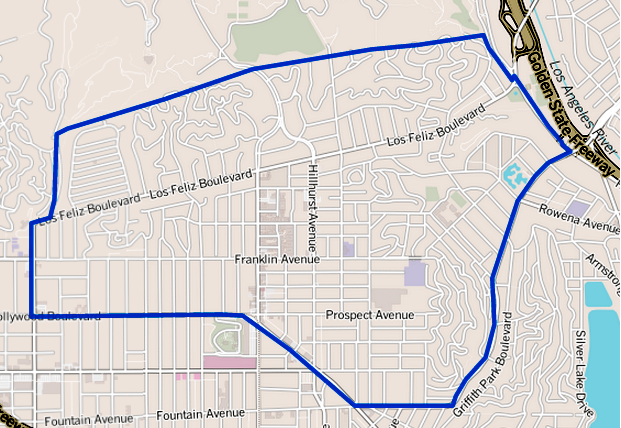
The Féliz Family: Pioneers of Los Angeles
The raw materials of Spain’s settlement of California were Mexican soldiers. These soldiers were men who left behind their parents and siblings in Sinaloa and Sonora to serve on the northern outskirts of Spain’s empire during the 1770s and 1780s. One family that contributed several soldiers to Spain’s colonial effort was the Féliz family of Álamos, Sonora.
Article Categories
- Aguascalientes 14
- Arizona 4
- Baja California 8
- Baja California Sur 2
- California 24
- Campeche 4
- Census 35
- Chiapas 3
- Chihuahua 10
- Coahuila 6
- Colima 1
- Conquistador Chronicles 2
- Durango 2
- Ethnic Identity 47
- Genealogy 41
- Guanajuato 8
- Guerrero 9
- Hidalgo 2
- Indigenous Insights 104
- Jalisco 25
- Mexico City 10
- Michoacan 7
- Morelos 4
- Nayarit 3
- New Mexico 4
- Nuevo Leon 7
- Oaxaca 7
- Politics 10
- Puebla 5
- Queretaro 1
- Quintana Roo 4
- San Luis Potosi 11
- Sinaloa 8
- Sonora 17
- Southwest US 28
- State of Mexico 5
- Tabasco 3
- Tamaulipas 10
- Texas 8
- Tlaxcala 6
- Veracruz 6
- Yucatan 6
- Zacatecas 14